
According to a report by BioEnergy Times, energy operator OMV Petrom has received the electrolyser modules for a 35 MW green hydrogen facility in Romania. While specific technology selections, stack arrangements, and project delivery timelines were not detailed in the report, reaching the module delivery phase represents a major transition point in project execution. For plant engineers and infrastructure developers, a 35 MW electrolyser installation reflects utility-scale deployment, introducing specific mechanical, thermal, and electrical integration considerations that dictate operational efficiency and long-term asset availability.
Modular Layout and Balance-of-Plant Integration
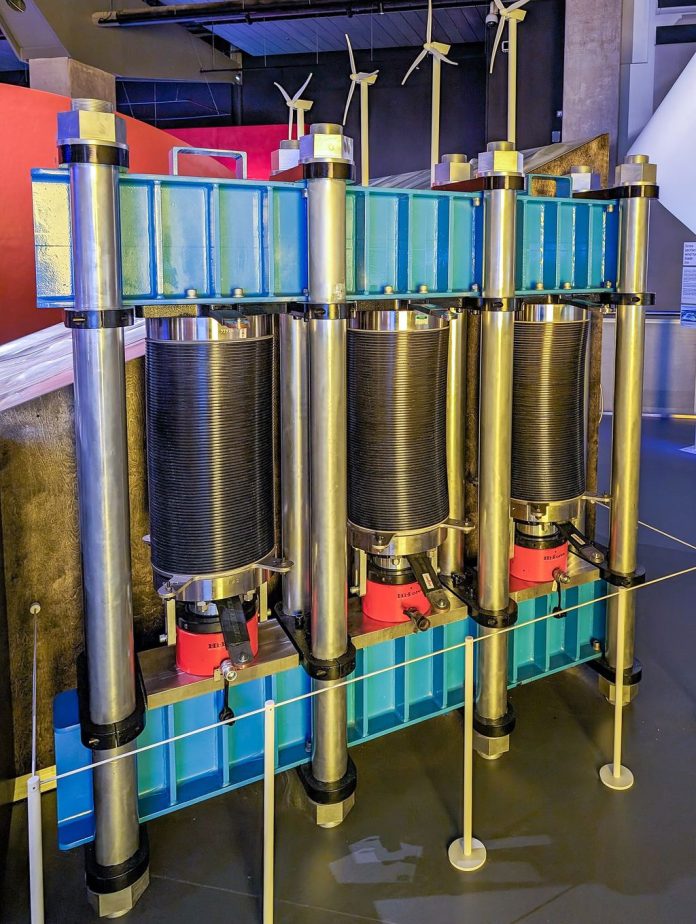
The delivery of factory-built modules for a 35 MW facility aligns with the broader industry transition toward pre-assembled, skid-mounted systems. Modularity reduces high-cost field fabrication and clean-environment assembly on site. However, scaling a plant to 35 MW via modular subunits introduces distinct design and interface challenges:
- Hydraulic and Flow Distribution: Manifold networks distributing demineralized water or liquid electrolyte across multiple module skids must maintain balanced hydraulic pressure to prevent uneven cell cooling, localized dry-out, or differential degradation rates across stacks.
- Thermal Management: Electrolysers typically operate at electrical-to-hydrogen conversion efficiencies where 25% to 40% of the input power is dissipated as low-grade heat. For a 35 MW system, the thermal management system must be engineered to reject or recover between 8 MW and 14 MW of heat under peak continuous operation.
- Gas Collection and Safety Systems: Interconnecting multiple module gas outlets requires automated purge sequences, continuous dissolved-gas monitoring, and zone-rated isolation architectures to prevent hydrogen crossover and manage safe plant shutdowns.
Power Conditioning and Grid Interface Requirements
At a 35 MW capacity, the electrical balance-of-plant represents a critical share of total capital expenditure and parasitic load. Stepping down medium-voltage AC power and converting it to low-voltage, high-amperage direct current (DC) requires robust power conditioning systems.
Design teams must evaluate rectifier topology choices. Multi-pulse thyristor rectifiers provide reliable, high-capacity conversion but introduce significant harmonic distortion and reactive power demand, requiring active harmonic filtering to meet grid code requirements. Alternatively, insulated-gate bipolar transistor (IGBT) power supplies improve power factor control and respond rapidly to fluctuating renewable power inputs. Maintaining low DC current ripple is essential across the installation, as high ripple currents can accelerate catalyst degradation and diminish the operating lifespan of the electrolyser cell stacks.
Feedstock Water Duty and Downstream Gas Conditioning
A 35 MW facility requires significant water purification infrastructure. While the fundamental stoichiometric requirement for water electrolysis is approximately 9 kilograms of pure water per kilogram of hydrogen, total facility demand is higher. Incorporating reverse osmosis rejection rates, electrode flushing, and cooling tower makeup, total raw water intake typically ranges from 10 to 15 kilograms per kilogram of hydrogen.
Downstream of the modules, the raw hydrogen stream exits saturated with water vapor and contains trace oxygen. Meeting standard industrial or fuel-grade purity specifications requires downstream catalytic deoxygenation units followed by temperature-swing or pressure-swing adsorption dryers. Sizing this conditioning equipment and managing the associated pressure drops directly affects the suction pressure for subsequent storage or pipeline injection compression stages.
Source
This analysis was written from reporting by BioEnergy Times: OMV Petrom receives modules for 35 MW green hydrogen electrolyzer in Romania, published 29 August 2026. Figures and events above are as reported there; the engineering commentary is ours.