
According to 毎日新聞, regional authorities in Uttar Pradesh, India, and Yamanashi Prefecture, Japan, are expanding bilateral ties focused on hydrogen development and technical human resources. While concrete capital allocation figures, electrolyser capacity targets, and technology provider selections have not been disclosed, this inter-regional alignment addresses one of the most persistent bottlenecks in clean fuel deployment: cultivating a certified engineering workforce capable of designing, commissioning, and maintaining utility-scale hydrogen assets.
Workforce Competency and Plant Safety Operations
The scaling of green hydrogen infrastructure requires deep operational competency across mechanical, electrical, and chemical disciplines. Electrolysis facilities operate under stringent thermodynamic and electrochemical constraints, demanding plant personnel proficient in handling dynamic system behaviors:
- High-Pressure Gas Management: Compressors handling light molecules like hydrogen require specialized maintenance to mitigate fugitive emissions, seal degradation, and hydrogen-induced embrittlement in downstream piping.
- Electrochemical Safety Protocols: Technicians must manage the risks of oxygen crossover in membrane systems, particularly during low-load operation when differential pressures across the cell stack can create flammable gas mixtures.
- Predictive Stack Maintenance: Monitoring membrane degradation, catalyst poisoning, and cell voltage uniformity requires specialized analytical skills to schedule stack refurbishment without causing unexpected plant downtime.
Balance of Plant and Feedstock Engineering
Deploying hydrogen generation in inland industrial regions presents distinct balance of plant challenges. Engineering teams must adapt system designs to localized grid and resource constraints, regardless of the specific electrolyser chemistry deployed:
- Water Conditioning Duty: Electrolysers require demineralized water with electrical conductivity typically below 0.1 microsiemens per centimeter. For inland industrial installations relying on groundwater or surface sources with high total dissolved solids, multi-stage water treatment—incorporating reverse osmosis, electro-deionization, and continuous filtration—is essential to prevent membrane scaling and catalytic degradation.
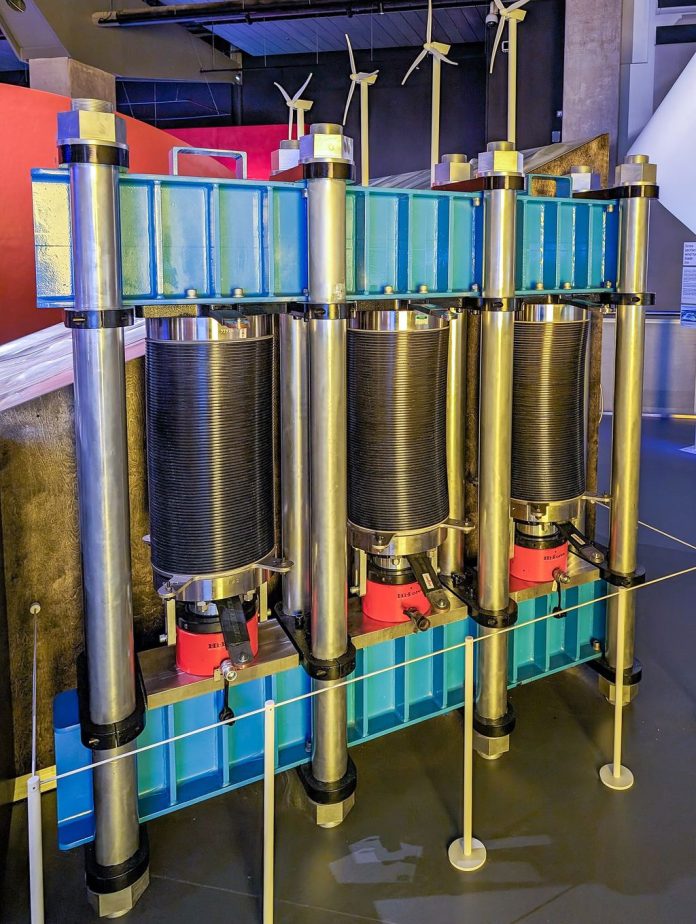
- Power Quality and Rectification: Interfacing variable renewable power with industrial electrolysers demands robust power conditioning systems. Large-scale transformer-rectifier units must handle harmonics and fast-ramping current profiles while maintaining high electrical efficiency, directly impacting the final levelized cost of hydrogen.
- Thermal Energy Integration: Efficient plant designs must manage exothermal heat rejection from the electrolysis stack. Integrating heat exchangers to capture low-grade waste heat for localized industrial processes can improve overall plant efficiency.
Standardization and Cross-Border Technology Transfer
Sub-national technical agreements provide a framework for standardizing operational methodologies and equipment certification across borders. Aligning operating procedures with international standards—such as ISO/TC 197 guidelines for hydrogen systems—streamlines engineering validation, accelerates factory acceptance testing, and reduces commissioning delays. By coupling technology transfer with structured engineering education, project developers can ensure that field engineers are equipped to maintain operational reliability, high capacity factors, and stringent safety envelopes across the plant lifecycle.
Source
This analysis was written from reporting by 毎日新聞: India's Uttar Pradesh, Japan's Yamanashi to deepen hydrogen, HR ties, published 20 August 2026. Figures and events above are as reported there; the engineering commentary is ours.